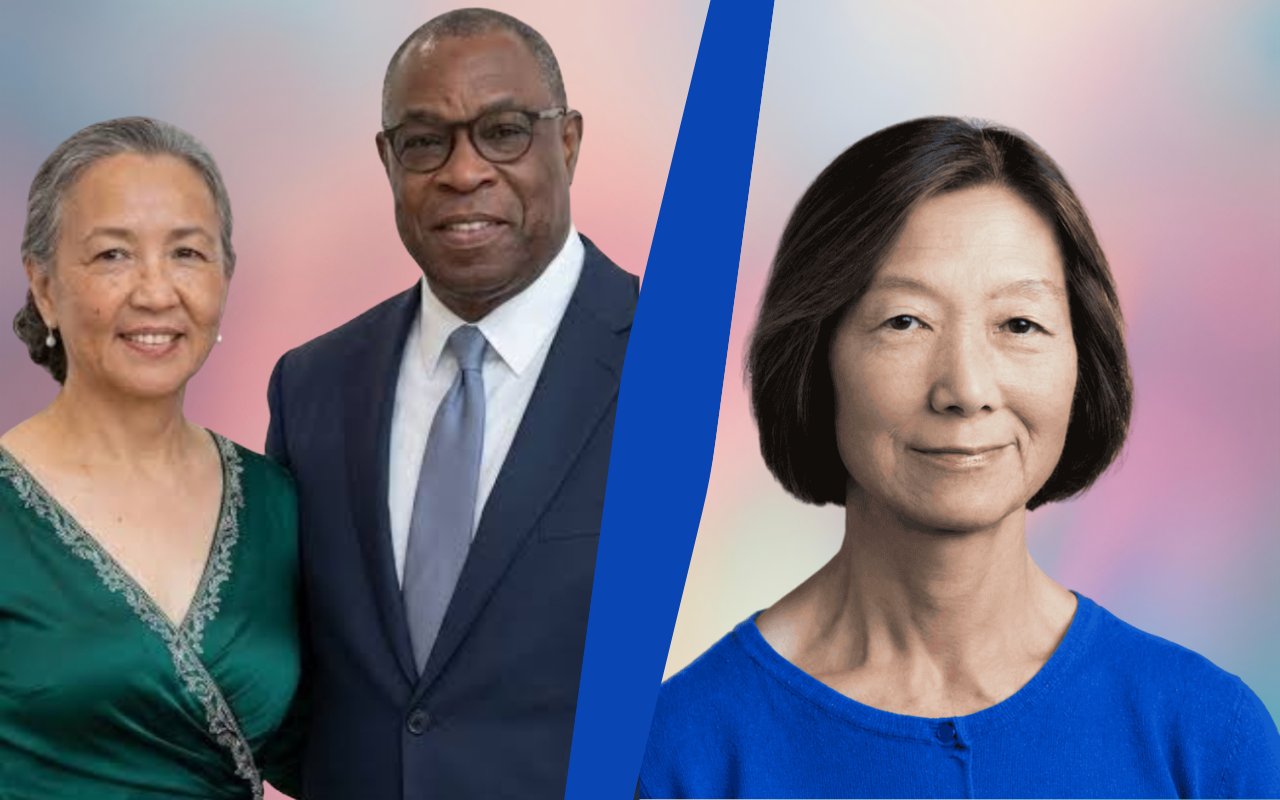
Keiko Fujimoto is a Japanese-American artist and former television personality who is widely known in public records due to her past marriage with Ramesh “Sunny” Balwani, a former executive of the controversial biotech company Theranos. Although her name appears frequently in media discussions, Fujimoto herself has lived a largely private life, with limited public exposure compared to many individuals linked to high-profile business stories.
She is often described as a creative individual with a background in art and occasional acting work. Over time, her identity in public search discussions has become closely associated with her personal history rather than an active media career. Despite this, available sources confirm that she has built her own independent life outside of public controversies.
Early Life and Background
Keiko Fujimoto was born on June 23, 1977, in San Francisco, California, into a Japanese-American family background. Her early life is described as culturally diverse, influenced by both Japanese traditions and American urban society. This dual cultural environment played an important role in shaping her personality and creative interests.
She is believed to have spent part of her life between the United States and Japan, which contributed to her exposure to different languages, cultural values, and artistic styles. While detailed information about her childhood is limited, public biographies consistently describe her as someone with a strong cultural identity and artistic inclination.
Education and Personal Development
Fujimoto’s education background is not extensively documented in verified academic records, but several biographical summaries suggest that she pursued higher education in the United States. Reports indicate she studied fields related to information and communication, which later influenced her professional work in technical and creative environments.
Her personal development is often described through her personality traits rather than formal achievements. She is portrayed as disciplined, reserved, and highly private. These characteristics later defined her decision to stay away from media attention, even when her name became indirectly connected to major public controversies.
Career and Creative Work
Keiko Fujimoto is referenced in multiple sources as an artist and occasional actress. Her early public appearances include participation in Japanese television programs during the 1990s, where she was involved in minor on-screen roles. Some entertainment records also mention her involvement in small television productions and appearances in cultural programs.
In addition to acting, she is described as an artist who has engaged in visual or creative work. Some reports suggest she participated in exhibitions in the United States, particularly in artistic communities in California. Her work is often associated with traditional Japanese artistic influence combined with modern expression.
Beyond creative fields, Fujimoto is also linked to professional technical communication roles in later life. Some sources describe her involvement in documentation and technical writing positions within industrial or technology-related organizations. This reflects a shift from creative expression to structured professional work, highlighting her adaptability across different fields.
Marriage to Sunny Balwani
Keiko Fujimoto became widely known due to her marriage to Ramesh “Sunny” Balwani, a businessman who later became a central figure in the Theranos scandal. The couple reportedly lived together in San Francisco during the late 1990s and early 2000s.
Their marriage lasted until December 2002, when they officially divorced. Public records confirm that the divorce took place before Balwani became involved in Theranos, meaning Fujimoto had no connection to the company or its operations. They did not have any publicly known children together.
This relationship is the primary reason her name continues to appear in modern discussions, even though she has not been involved in any business or legal controversies related to her ex-husband’s later career.
Life After Divorce
After her divorce from Sunny Balwani, Keiko Fujimoto withdrew from public visibility and maintained a private lifestyle. Unlike many individuals connected to high-profile figures, she did not pursue media interviews, public commentary, or entertainment publicity.
Her life after divorce is generally described as peaceful and low-profile. Reports suggest she focused on personal development, artistic interests, and professional work outside the public spotlight. There is no verified evidence of her involvement in public business controversies or media-driven activities after the early 2000s.
Public Image and Media Attention
Keiko Fujimoto’s public image is primarily shaped by external narratives rather than her own public presence. Media interest in her increased significantly after the rise of the Theranos story, which brought attention to Sunny Balwani’s personal history.
Despite this indirect fame, Fujimoto has remained largely absent from interviews or public statements. This absence has contributed to a perception of privacy and independence, as she has not engaged in public debates or media clarification regarding her past relationship.
Her image in most biographies is neutral, with emphasis on privacy rather than controversy or public influence.
Cultural Identity and Personal Traits
As a Japanese-American individual, Fujimoto represents a blend of two cultural identities. This background is often reflected in descriptions of her personality, which highlight values such as discipline, respect for privacy, and artistic appreciation.
Her connection to Japanese cultural heritage is also mentioned in relation to her creative work. Many biographical references suggest that her artistic expression is influenced by traditional Japanese aesthetics, although she has never publicly defined her artistic philosophy in detail.
Overall, she is portrayed as someone who values personal space and cultural grounding over public recognition.
Current Life and Privacy
In recent years, Keiko Fujimoto has continued to live a private life away from public attention. There are no verified public records of her active participation in media, entertainment, or business controversies.
Most current references describe her as a private individual who prefers to avoid public exposure. Unlike many figures associated with well-known personalities, she has not maintained a social media presence or public-facing career identity.
Because of this, most information about her current life remains limited and based on indirect reporting rather than direct statements.
Read More: Keiko Fujimoto: Life, Background, Career, and Public Interest Overview
Conclusion
Keiko Fujimoto remains a figure of public curiosity primarily due to her past connection with Sunny Balwani and the wider Theranos story. However, her own life reflects a very different path—one centered on privacy, cultural identity, and independent personal development.
While she has been described as an artist and professional with creative and technical experience, she has consistently chosen to stay outside the spotlight. This separation from public attention has allowed her to maintain a private life despite ongoing interest in her name.
Ultimately, Keiko Fujimoto’s story is less about public fame and more about how individuals connected to major public figures can choose a quiet and independent life away from media narratives.